When considering the efficiency of solar lights, one fundamental question arises: how many hours of sun do solar lights need? This inquiry is vital for anyone looking to optimize their outdoor lighting solutions. Solar lights rely on sunlight to charge their batteries, and understanding the required sunlight hours can significantly impact their performance.
Different types of solar lights have varying energy needs. Some may perform adequately with just a few hours of direct sunlight, while others may require more. For instance, garden lights typically need about 6 to 8 hours. However, environmental factors like cloud cover and shade can alter these requirements. Reflecting on this variability invites us to consider our specific situations.
It's essential to evaluate the location where the lights will be installed. Nearby trees or buildings can block sunlight. Observing sunlight patterns can provide insights into how many hours of sun do solar lights need in your area. Ultimately, finding the right balance of sunlight exposure will ensure optimal functionality and longevity of your solar lighting.
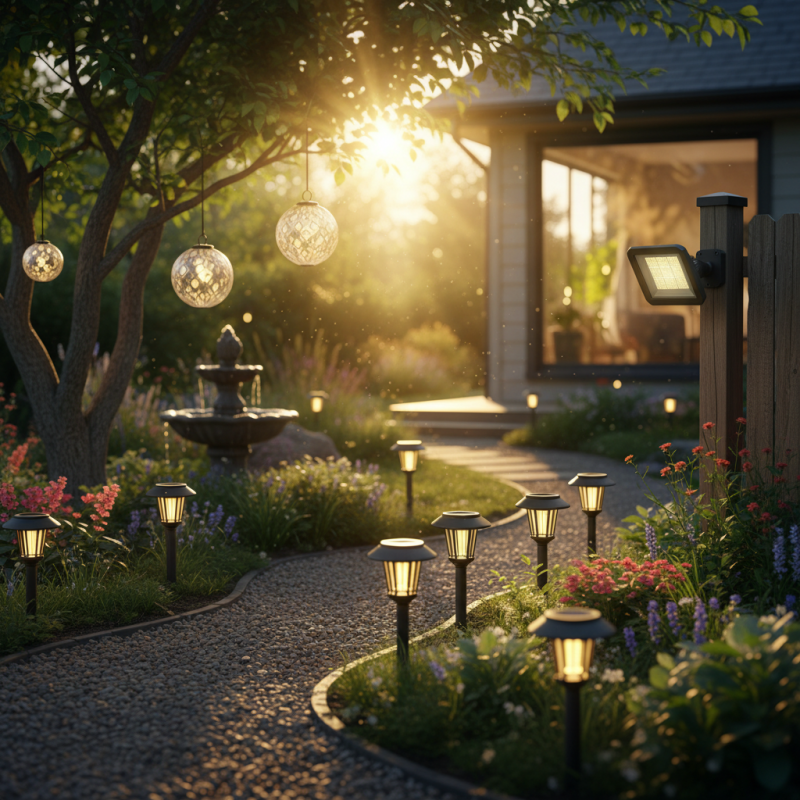
Factors Influencing Solar Light Performance
When evaluating the performance of solar lights, several key factors come into play. Solar lights typically need about 6 to 8 hours of direct sunlight for optimal functionality. However, the actual performance can be influenced by geographic location, seasons, and weather conditions. For instance, a report by the National Renewable Energy Laboratory highlights that solar energy production can drop by 85% during cloudy days compared to sunny ones. This variance should prompt users to assess their local conditions before relying solely on solar lights.
Another significant factor is the angle and placement of the solar panel. A solar panel positioned correctly can enhance light absorption, maximizing efficiency by up to 30%. Research indicates that panels facing south at a 30-degree angle capture the most sunlight. Moreover, regular maintenance plays a crucial role. Dust and debris can obstruct sunlight, reducing the energy captured. Cleaning the panel occasionally can improve performance by at least 15%. The variability in sunlight exposure and panel positioning underscores the importance of adapting to environmental circumstances for better outcomes.
Optimal Sunlight Hours for Different Solar Light Types
Solar lights rely heavily on sunlight for optimal performance. Different types of solar lights have varying requirements for sunlight hours. For instance, pathway lights often need about 6-8 hours of direct sunlight to operate efficiently overnight. In contrast, decorative string lights may only require 4-6 hours to provide adequate illumination.
The intensity and duration of sunlight directly influence solar light efficiency. A study by the National Renewable Energy Laboratory highlights that certain solar technologies can generate power even under low-light conditions. However, optimal performance typically comes with a full day of sun. Notably, poorly positioned lights may not receive adequate sun, leading to dim lighting at night.
Tips for improving solar light performance include placing lights in direct sunlight, avoiding shaded areas. Regular cleaning of solar panels can enhance absorption. Consider seasonal changes in sunlight; adjustments may be needed as the sun's angle shifts. This can drastically affect how many hours of sun your lights receive throughout the year. Achieving the best performance is a mix of placement, maintenance, and understanding the technology's limits.
How Many Hours of Sun Do Solar Lights Need for Best Performance?
Impact of Seasonal Changes on Solar Charging
Seasonal changes can greatly impact the performance of solar lights. During winter months, shorter days and overcast skies reduce sunlight exposure. As a result, solar lights may not charge adequately. This can lead to dimmer lights, affecting both safety and aesthetics in outdoor spaces.
Tips: Place solar lights in areas that receive maximum sunlight. Trim overhanging branches that may block the sun. Regular maintenance checks will also ensure efficiency.
In contrast, summer provides longer days and more direct sunlight. Solar lights benefit the most in these conditions. However, excessive heat may affect battery life. If the temperature rises too high, charging cycles become less efficient.
Tips: Consider installing solar lights with heat-resistant features. Regularly check battery health to ensure optimal performance. Remember that sometimes, ideal conditions are not achievable; adjustments may be necessary.
Maintaining Solar Lights for Maximum Efficiency
Solar lights offer convenience and energy efficiency. However, maintenance is crucial for their optimal performance. The best results are achievable with regular cleaning and positioning. Dust and debris can reduce light output by up to 50%. Keeping solar panels clean helps in maximizing sunlight absorption. A simple monthly wipe with a damp cloth can significantly enhance functionality.
Positioning is another key factor. Solar lights require direct sunlight for effective charging. Industry research indicates that at least six to eight hours of sunlight is ideal daily. Trees or buildings casting shadows can hinder this process. It’s necessary to identify the sunniest spots in your yard. Regular checks can ensure light fixtures remain unobstructed.
Battery care is equally important. High-quality batteries can last three to five years with proper maintenance. However, seasonal changes can affect battery performance. In colder months, lights might dim faster. Consider replacing batteries before winter to maintain brightness. Reflecting on these details can yield better results in light longevity and efficiency.
Troubleshooting Poor Performance in Solar Lighting
When solar lights underperform, a few common issues can lead to disappointment. One primary reason could be inadequate sunlight exposure. Solar lights generally need around six to eight hours of direct sunlight daily. If your lights aren’t receiving this much sun, their performance will suffer. Even partially shaded areas can reduce battery charge and, consequently, brightness.
Another aspect to consider is the placement of the solar lights. Ensure they are positioned where they receive maximum sunlight, away from structures or trees. Also, regularly check for dirt or obstructions on the solar panel. Dust can accumulate and hinder energy absorption. A simple wipe with a dry cloth can make a significant difference.
Finally, battery health plays a critical role in performance. Over time, solar batteries can degrade, leading to reduced efficiency. Consider replacing the batteries if they show signs of wear. This maintenance is essential for optimal functionality. By understanding these factors, you can improve the effectiveness of your solar lights, enhancing outdoor experiences.
FAQS
: Solar lights typically need about 6 to 8 hours of direct sunlight.
Performance can be influenced by geographic location, seasons, and weather conditions.
Cloudy days can cause solar energy production to drop by up to 85%.
Panels facing south at a 30-degree angle capture the most sunlight effectively.
Dust and debris can block sunlight, reducing energy capture and performance.
Cleaning the panel occasionally can improve performance by at least 15%.
Winter's shorter days and overcast skies can lead to dimmer solar lights.
Place lights in sunny areas and trim branches that may block sunlight.
Yes, high temperatures can make charging cycles less efficient.
You may need to consider heat-resistant features and regularly check battery health.
Conclusion
Understanding "how many hours of sun do solar lights need" is crucial for optimizing their performance. Factors such as the type of solar light, geographic location, and seasonal variations significantly influence the amount of sunlight required for effective charging. Different solar light types may need anywhere from 4 to 10 hours of sunlight daily, depending on their design and intended use.
Seasonal changes can also impact solar charging efficiency; during winter months or in cloudy climates, solar lights may not receive adequate sunlight. To maintain maximum efficiency, regular cleaning and positioning adjustments are necessary. If lights are underperforming, troubleshooting common issues like obstructions and battery health can improve their effectiveness. Engaging with these factors helps ensure solar lights operate optimally throughout the year.

 Sanitize Light