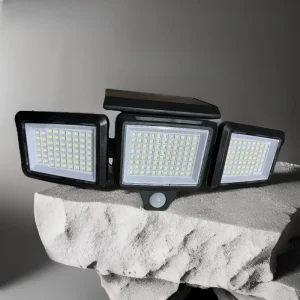
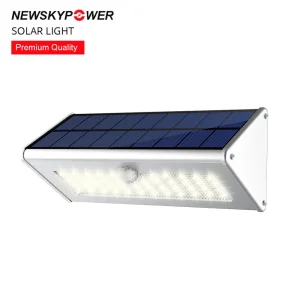
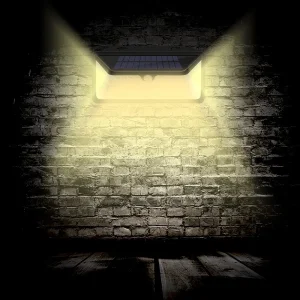
Industrial grade, ultra-bright PIR motion sensor systems optimized for marine climates and remote island deployments.
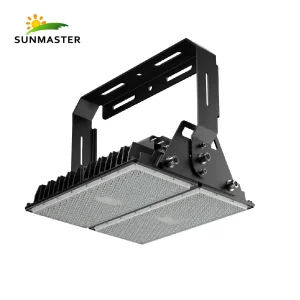
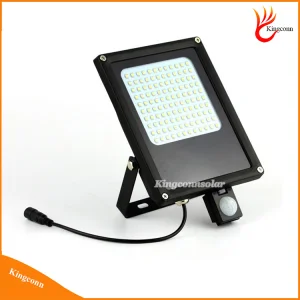
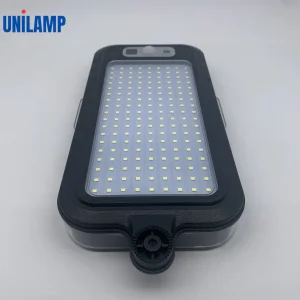
Analyzing microgrid integration, environmental corrosion vectors, and off-grid security light design paradigms for Pacific Small Island Developing States (SIDS).
Kiribati's geographic configuration consists of low-lying coral atolls where every installation site is subject to high concentrations of sodium chloride mist. Standard solar security lights suffer from accelerated atmospheric chemical corrosion, degrading internal electrical circuits and corroding aluminum enclosures. Our specialized materials bypass this hazard.
Imported diesel accounts for a major chunk of Kiribati's national spending. The Kiribati Integrated Energy Roadmap (KIER) prioritizes off-grid decentralization. Installing solar motion sensor lighting eliminates fuel costs, maintains safety during grid failures, and creates reliable localized illumination networks for schools, homes, and marine docks.
With intense downpours and tropical squalls typical of the equatorial Pacific, standard IP64 ratings are inadequate. Condensation forms within enclosures, resulting in premature driver failure. We implement IP65, IP66, and IP67 ratings, using moisture-wicking breathing membranes to regulate pressure differential without allowing ingress.
Years Manufacturing Experience
Marine-Grade Anti-Corrosion Options
LiFePO4 Battery Cycle Life
Off-Grid Sustainable Power Source
Evaluating motion sensor mechanisms in high-temperature, humid Pacific settings.
| Feature Parameter | PIR (Passive Infrared) Sensor | Microwave Radar Sensor | Guangdong Sanitize Light Advantage |
|---|---|---|---|
| Operating Mechanism | Detects changes in ambient infrared radiation (heat signatures). | Emits 5.8GHz high-frequency waves and detects shifts in echo patterns. | We offer both customized configurations depending on mounting elevation. |
| High Temperature Performance | Reduced sensitivity when ambient temperature approaches human body temp (~37°C). | Unaffected by ambient air temperature. Keeps high sensitivity at 40°C+. | Microwave sensors configured for commercial areas; optimized PIR for gardens. |
| Humidity & Rain Ingress | High rainfall can disrupt detection patterns slightly. | Can penetrate light foliage and heavy rain, maintaining constant tracking. | Internal encapsulation prevents moisture tracking to the CPU control unit. |
| Detection Radius | Typically 120 degrees up to 8 meters. | 360 degrees detection sphere extending up to 15 meters. | Multi-angle adjustable sensors that match target site layouts. |
| Energy Conservation | Instant response with micro-amp standby draw. | Higher standby draw, but mitigated by smart sleep patterns. | Patented algorithms optimize battery life dynamically. |
Optimized for logistics terminals, port lighting in Betio, and large-scale compounds requiring visual verification.
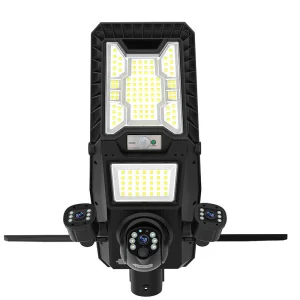
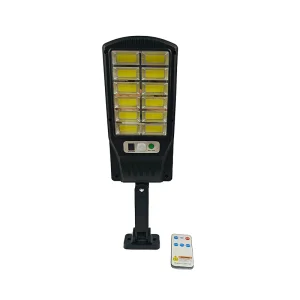
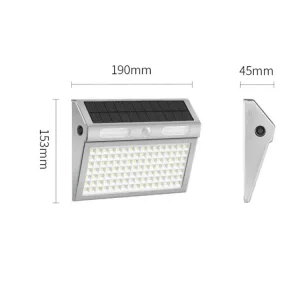
Standard lithium polymer batteries suffer from rapid capacity fade under equatorial climates. Guangdong Sanitize Light Co., Ltd. implements state-of-the-art Lithium Iron Phosphate (LiFePO4) batteries coupled with intelligent thermal insulation pads and advanced Battery Management Systems (BMS).
This layout ensures safety against thermal runaway at ambient temperatures up to 45°C. Combined with high-efficiency Monocrystalline Silicon PV modules, our systems maintain a conversion efficiency of up to 22.5%, allowing solar charge acquisition even under persistent marine overcast conditions.
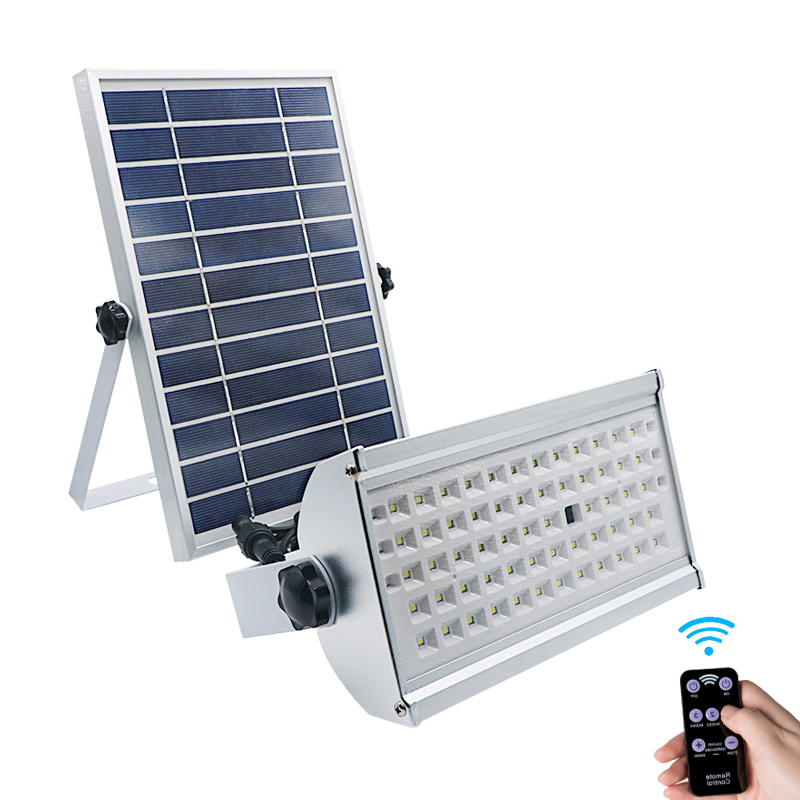
Our commitment to professional engineering, reliable quality, and international compliance guarantees longevity in challenging environments.
We test our housings in salt spray chambers for up to 1000 hours. The outer casing preserves its structural integrity without showing rust or bubbling, confirming its performance along Kiribati's coastlines.
All integrated LiFePO4 cells carry UN38.3 certification, which guarantees safety during ocean cargo transport. This ensures the batteries maintain their integrity under temperature shifts and vibration during transit to Kiribati.
Guangdong Sanitize Light Co., Ltd. builds all products to meet international parameters. By eliminating lead, cadmium, and mercury, we help protect Kiribati's delicate coral ecosystem.
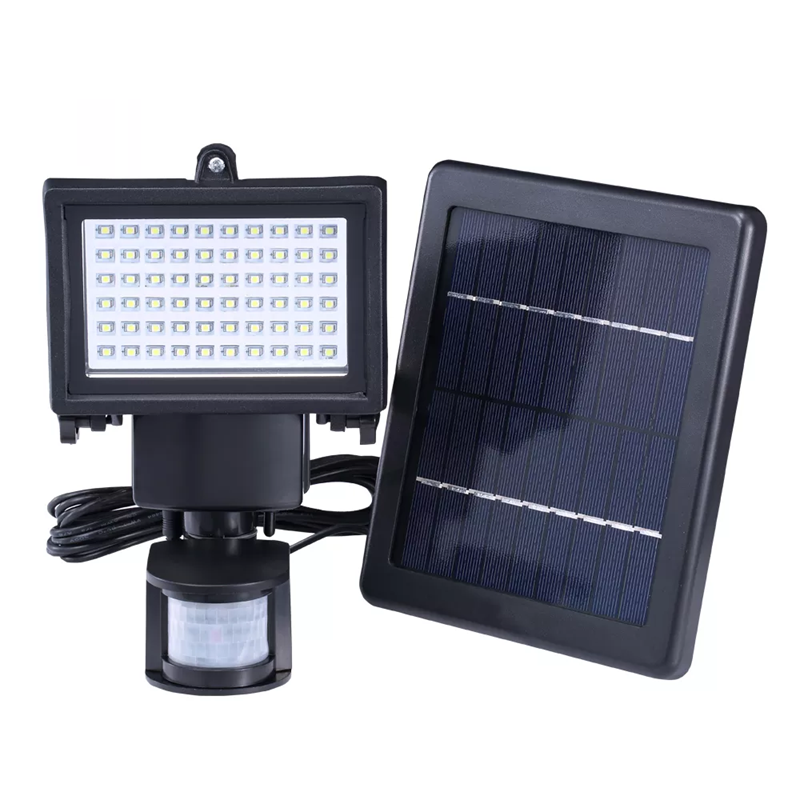
Founded in 2009, Guangdong Sanitize Light Co., Ltd. is a professional manufacturer specializing in LED lighting products, with over a decade of experience in the industry. We are a comprehensive enterprise integrating research and development, production, sales, and customer service, dedicated to delivering innovative and energy-efficient lighting solutions to customers worldwide.
Our product portfolio covers a wide and complete range of LED lighting applications for both indoor and outdoor use. Our main products include LED solar lights, LED strip lights, LED tubes, LED panel lights, LED flood lights, LED street lights, LED high bay lights, and more. In addition, we actively develop smart lighting systems and environmentally friendly solutions to meet the growing global demand for sustainability, energy saving, and intelligent control.
With a strong and experienced R&D team, we continuously invest in technological innovation and product improvement. Our company is equipped with advanced automated production lines, precision testing instruments, and professional aging equipment, ensuring stable product quality and high production efficiency. From raw material sourcing to finished product delivery, every step is strictly controlled under rigorous quality management standards.
All of our products are designed to be safe, durable, and high-performing, complying with international quality and safety standards. Thanks to our reliable quality, competitive pricing, and flexible OEM/ODM services, our products have been widely exported to markets such as South America, Europe, South Africa, North America, and Australia, earning us an excellent reputation among global clients.
We pride ourselves on our efficient supply chain management, timely delivery, and comprehensive after-sales service system. Our professional sales and support teams are always ready to respond quickly to customer needs, providing tailored solutions and technical support to ensure maximum customer satisfaction.
Adhering to the core business philosophy of “Win-Win Cooperation,” Guangdong Sanitize Light Co., Ltd. is committed to establishing long-term and stable partnerships with customers around the world. We believe that trust, quality, and mutual benefit are the foundation of sustainable business growth.
We sincerely look forward to cooperating with you and becoming your reliable and trustworthy partner in the LED lighting industry. Let us work together to achieve mutual development and create a brighter, more energy-efficient future.
Explore our complete product offering, built for high wind resistance, tropical rainfall durability, and long battery life.
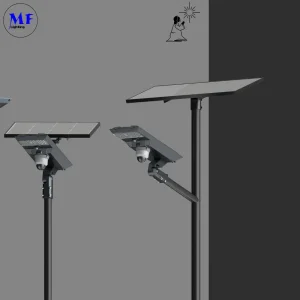
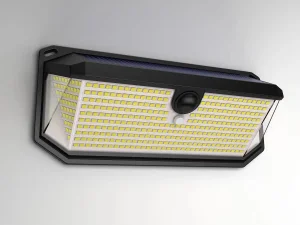
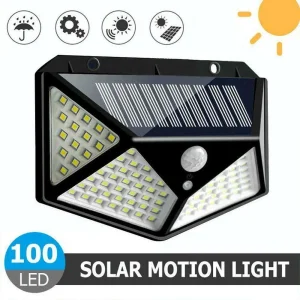
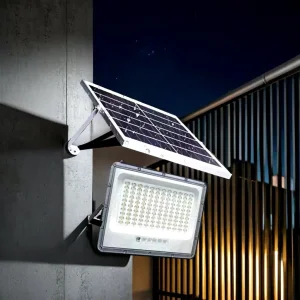
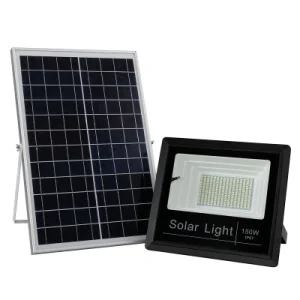
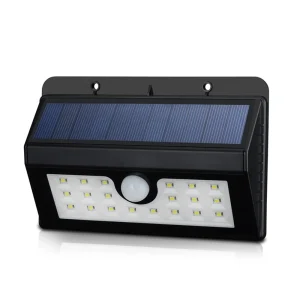
Addressing engineering questions about ambient salinity, battery degradation, and wind loads on solar panels.
Coastal environments in Kiribati have high ambient humidity combined with corrosive salt fog. This mist penetrates lower-grade housings (IP64 or below), causing chemical corrosion on the copper tracks of internal PCBs and rusting the connections. Guangdong Sanitize Light Co., Ltd. addresses this issue by applying a protective conformal coating to all printed circuit boards and using marine-grade, UV-stabilized ABS and polycarbonate housings to prevent material breakdown.
Standard Lithium-ion batteries degrade rapidly or swell when exposed to constant temperatures above 35°C. We use Lithium Iron Phosphate (LiFePO4) chemistry, which offers high thermal stability and supports 3,000+ charging cycles at high depths of discharge. Our battery chambers also feature heat shields and automated high-temperature cut-offs integrated directly into the BMS to prevent thermal runaway.
Yes. Our lights feature intelligent energy management systems. When consecutive rainy days occur, the smart controller automatically adjusts the light output. Rather than drawing constant power, the system lowers the standby brightness (e.g., to 10% or 20% of max output) and switches to full power only when the PIR or microwave sensor detects motion. This design allows the lights to operate for up to 3–5 rainy nights without a full charge.
Yes, we provide flexible OEM/ODM services. We can configure sensor types (PIR vs. microwave radar), battery capacities, LED luminous efficacy, and brackets to meet specific project guidelines. We also offer customization for custom branding and packaging designed for regional distributors.
For docks and marine terminals, we recommend an IP66 or IP67 rating. An IP65 rating is suitable for residential and light commercial use, but areas exposed to direct sea spray require the tighter sealing of IP66 or IP67 to prevent salt spray ingress.
PIR sensors detect change in heat signatures and can experience decreased sensitivity when the ambient air temperature nears human body temperature (35°C to 37°C) under high relative humidity. Microwave sensors utilize Doppler radar to detect physical movement. They remain accurate regardless of ambient air temperature or humidity, making them the preferred choice for industrial and high-traffic security installations.
With monocrystalline PV panels (lasting 20+ years), high-performance LEDs (rated for 50,000 hours), and LiFePO4 batteries (3,000+ cycles), the overall system has a design life of 5 to 8 years. Replacing the battery cell after 5-8 years can extend the light fixture's overall service life.
We perform rigorous testing throughout our production process. This includes sphere testing for luminous flux, ingress chamber testing for IP ratings, salt-spray resistance tests, and battery charge-discharge cycle evaluations. All shipments comply with international CE, RoHS, and UN38.3 transport standards.
 Sanitize Light